Waste-to-Energy
A 1,500 tonne/day moving-grate WtE facility at Pemba Mnazi SEZ — generating 50–100 MW of clean electricity for Tanzania's national grid and the adjacent Eco-Industrial Park.
Clean Power from What Cannot Be Recycled
After sorting, composting, and recycling, a significant fraction of Dar es Salaam's waste remains as non-recyclable residual material. Rather than sending this to landfill, the WtE plant converts it into reliable, baseload electricity — 24 hours a day, 365 days a year.
Located at the Pemba Mnazi Special Economic Zone in Kigamboni, the 1,500 tonne/day facility uses proven moving-grate combustion technology — the global standard for municipal solid waste energy recovery. Stringent EU-standard emissions controls ensure compliance with international environmental requirements, making this ECA-eligible and bankable for European development finance.
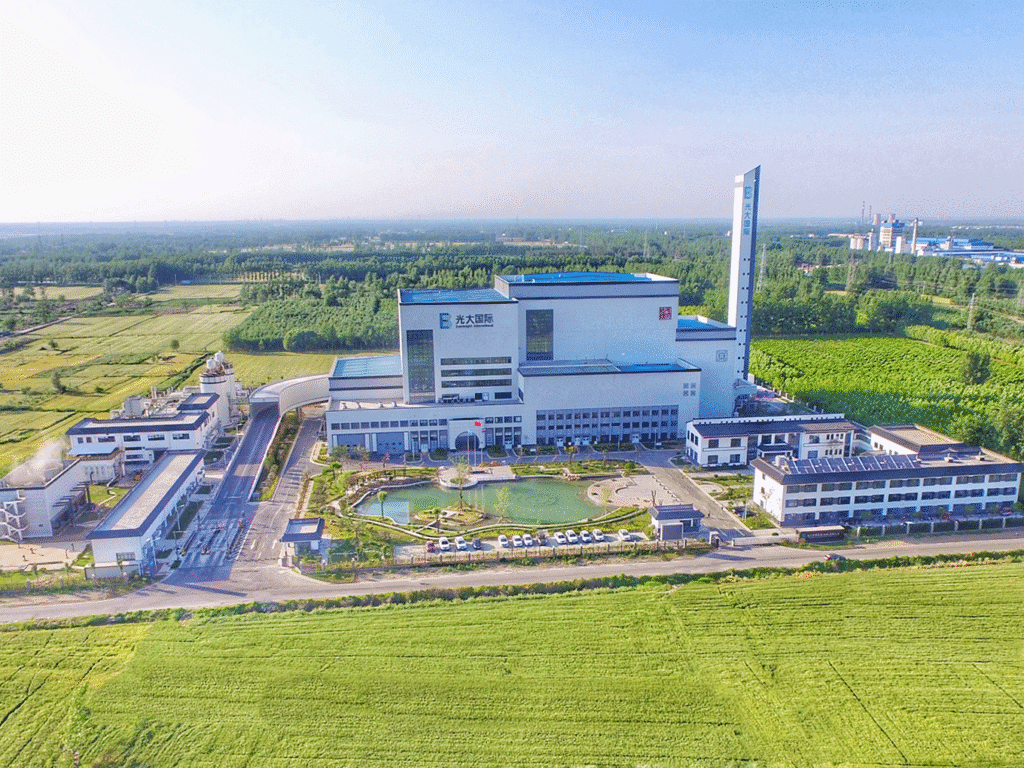
Reference plant: Changzhou Xinbei WtE facility — technology partner
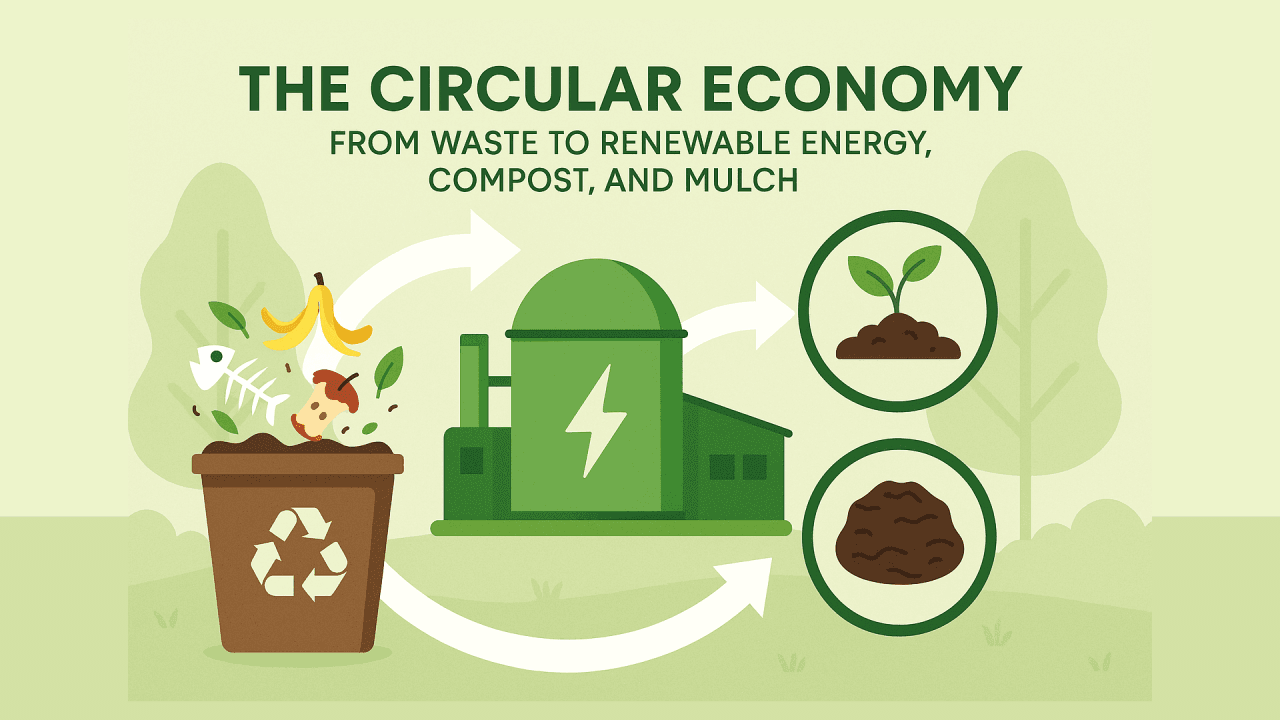
Nothing is wasted. Every fraction of Dar es Salaam's waste finds its highest-value destination.
Technical Specifications
Beyond Electricity — Four Output Streams
Grid Electricity
Sold to TANESCO under a long-term Power Purchase Agreement and to industrial tenants in the adjacent Eco-Industrial Park via dedicated distribution lines.
Process Heat
Waste heat from the combustion process is recovered and supplied as steam or hot water to industrial park tenants — displacing fossil-fuel boilers.
Bottom Ash Aggregates
Treated bottom ash is upcycled into road sub-base and concrete aggregate — a certified construction material replacing virgin quarried stone.
Fly Ash — Stabilised
Fly ash captured by advanced bag filters is chemically stabilised and used in cement blends — preventing any atmospheric discharge.
ECA Eligibility & Emissions Standards
The WtE plant is designed from the outset to comply with the EU Industrial Emissions Directive (IED) — the strictest municipal waste combustion standard in the world. This is a prerequisite for European Export Credit Agency (ECA) financing, which forms 20% of the project capital stack.