Anaerobic Co-Digestion
Advanced German MBT and ACoD systems — turning Dar es Salaam's organic waste and faecal sludge into renewable biogas, organic fertiliser, and refuse-derived fuel.
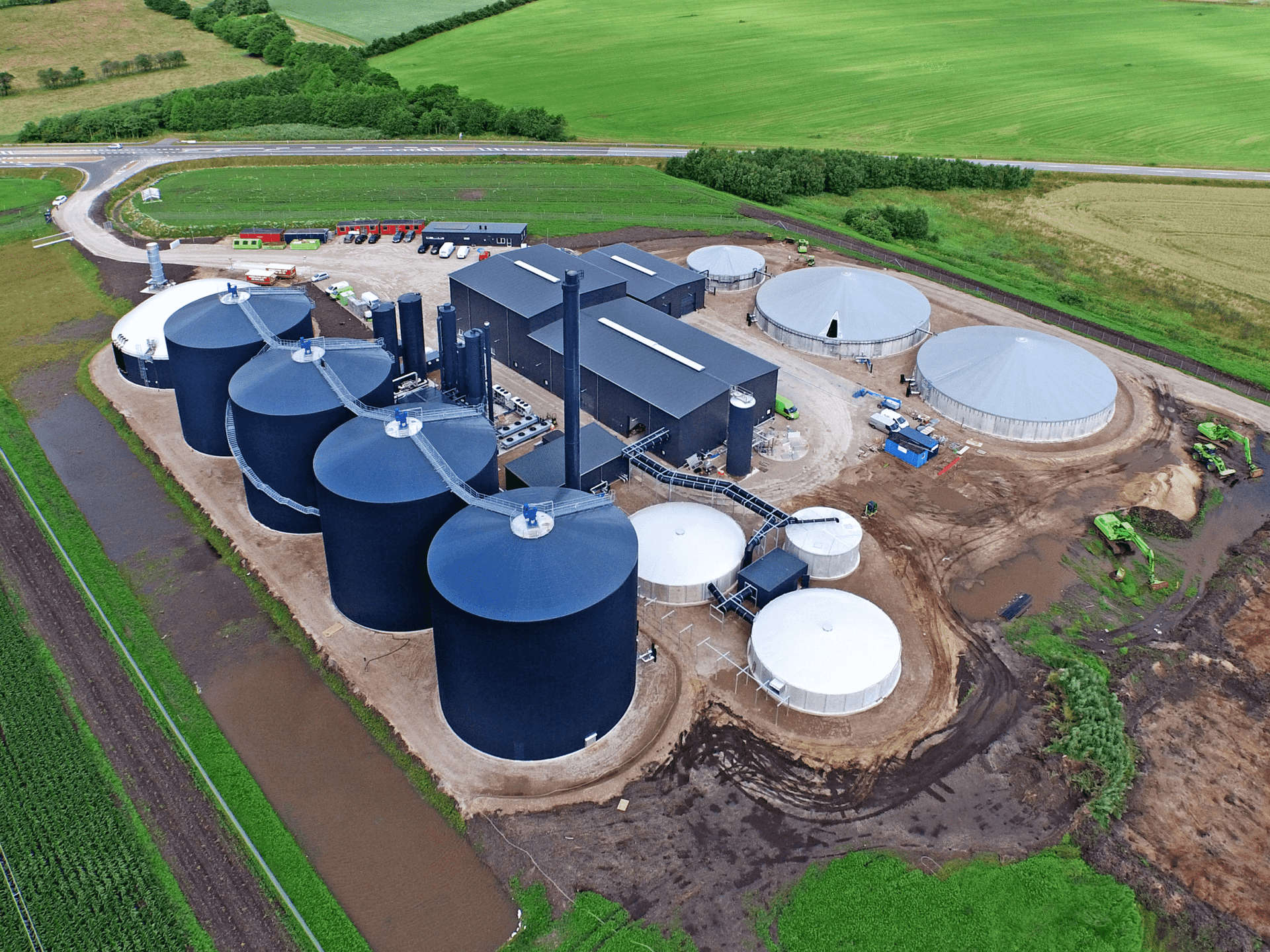
Anaerobic co-digestion plant — organic waste to biogas
From Waste Problem to Resource Opportunity
Over 60% of Dar es Salaam's municipal solid waste is organic — food scraps, market waste, and garden cuttings. Combined with the city's large faecal sludge burden, this represents a substantial untapped energy resource. The ACoD facility converts this liability into biogas, organic fertiliser, and RDF.
Using proven German Mechanical Biological Treatment (MBT) and wet anaerobic co-digestion technology, the facility processes 1,200+ tonnes of organics and sludge per day. It simultaneously addresses Dar es Salaam's solid waste challenge and its severe faecal sludge management deficit.
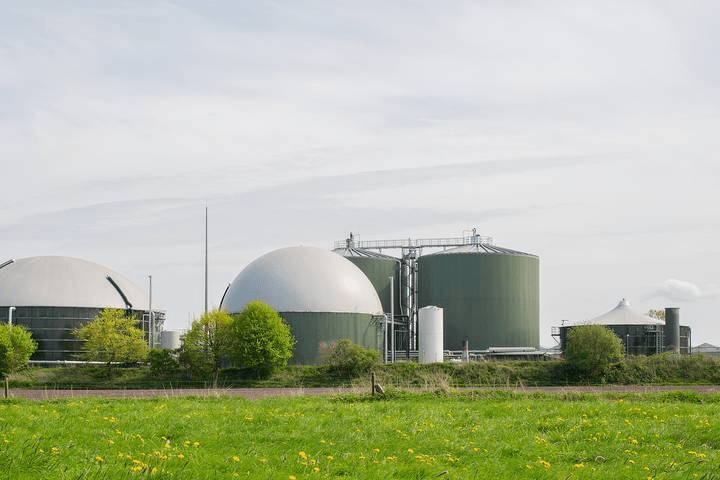
German-engineered MBT technology. Proven in over 200 facilities across Europe and Asia.
The ACoD Process — Step by Step
Mechanical Sorting (MBT)
Incoming mixed waste is mechanically shredded, screened, and sorted. Metals and plastics are extracted for recycling. Organics are separated for digestion. Residuals go to WtE.
Organic Fraction Input
Food waste, garden waste, and market organics — separated at source or extracted by MBT — are combined with faecal sludge from Dar es Salaam's septic systems.
Anaerobic Co-Digestion
The mixed organic stream enters sealed anaerobic digesters operating at controlled temperature. Bacteria break down organic matter over 20–30 days, producing biogas and digestate.
Biogas Capture & Processing
Biogas is captured, cleaned of H₂S and CO₂, and either fed to a Combined Heat and Power (CHP) unit or compressed into CBG cylinders for distribution.
Digestate Processing & Compost
Liquid digestate is dried and pelletised into biofertiliser. Solid digestate is windrow-composted and quality-tested before dispatch to agricultural markets.
RDF Processing (Pugu Landfill)
Legacy waste from the Pugu Landfill is excavated, shredded, and processed into high-calorific RDF bales. This progressively reclaims the landfill land for other uses.
Four Valuable Output Streams
Biogas & Compressed Biogas (CBG)
Used for clean cooking fuel, industrial process heat, and compressed biogas for city vehicle fleets — directly displacing LPG and diesel consumption.
Organic Fertiliser & Compost
High-quality digestate processed into biofertiliser and compost for peri-urban agriculture and export. Improves soil carbon, reduces chemical input dependency.
Refuse-Derived Fuel (RDF)
Processed from legacy Pugu Landfill material and residual MSW fractions — supplied to cement kilns as a coal substitute, closing the loop on historic waste.
Stabilised Sludge
Treated faecal sludge converted to pathogen-free stabilised material — suitable for soil conditioning or low-carbon construction material production.